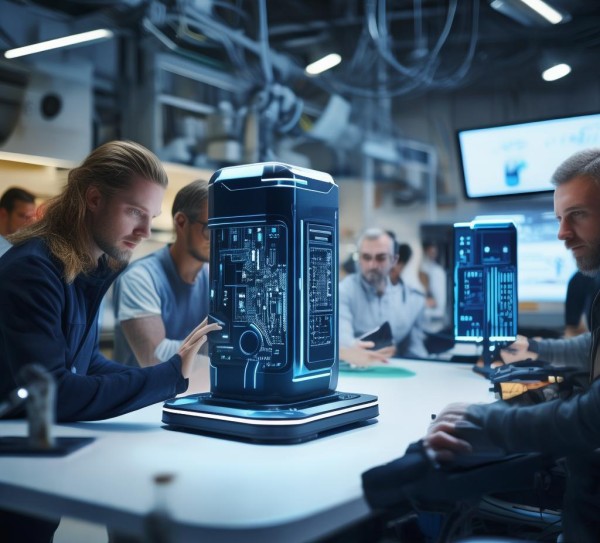
智能硬件产品开发培训旨在帮助开发者从入门到成功,涵盖硬件设计、开发工具应用、用户体验优化以及项目管理能力,通过系统化的课程设计,培训者能够教授从需求分析到测试验证的完整流程,同时结合行业案例,提升团队的创新能力和市场竞争力,适合对硬件开发感兴趣的企业主、高校学生、行业专业人士及科技爱好者,以及具备相关经验的开发者,通过系统化培训,员工可快速掌握智能硬件开发的核心技能,推动公司技术升级和市场拓展。
随着人工智能、大数据、物联网等技术的快速发展,智能硬件产业正在迎来蓬勃的市场增长,智能硬件不仅是一种产品形态,更是一种创新的表达方式,它能够通过科技手段实现人机交互、智能决策、个性化服务等功能,在智能化时代,智能硬件产业的发展已成为一种趋势,培训则成为一种趋势,智能硬件开发成为一种趋势。

培训不仅是技术的提升,更是企业竞争力的增强,在快速迭代的市场环境中,员工的技能和知识是推动企业持续发展的关键,智能硬件产品开发培训成为企业提升核心竞争力的重要手段。
智能硬件产品的开发技术路线
硬件选择与设计
In intelligent hardware development, hardware selection is the foundation, essential for ensuring the product meets market needs. Businesses must select appropriate hardware platforms, including CPUs, GPUs, RAM, and storage, while considering product functionality, power consumption, and thermal management. Collaboration with hardware suppliers is crucial for ensuring the feasibility and compatibility of hardware designs.
系统架构设计
The system architecture is the backbone of intelligent hardware, encompassing efficient and scalable designs. It must address data flow, concurrency control, and cache management to ensure system stability and performance. Testing and iteration are integral to this phase, allowing for continuous improvement and optimization.
硬件优化与调试
Before development, hardware optimization and testing are essential. This involves tweaking environment factors like temperature and power supply, as well as ensuring hardware performance through thorough testing. Rigorous testing ensures the final product meets user expectations.
功能扩展与定制化
Designing functional extensions and customizations is a key goal in intelligent hardware development. By adding sensors, data acquisition, and ytics technologies, businesses can enhance user experience and innovation.
智能硬件开发的开发流程
需求分析与需求理解
Before development, thoroughly yzing market needs is crucial. Through user research, market ysis, and feedback gathering, businesses gain insights into user requirements. This step ensures the development aligns with industry trends and consumer expectations.
系统架构设计与详细设计
Drawing on the insights from demand ysis, businesses design a comprehensive system architecture that covers hardware, software, and data architectures. This includes considerations for technical, economic, and performance aspects to ensure feasibility and scalability.
系统开发与代码编写
The development process integrates with the chosen programming language stack, such as C/C++, Python, Java, and graphical tools. Code is written with a focus on usability, maintainability, and extensibility, ensuring it can withstand future enhancements.
系统测试与调试
System testing and debugging involve functional and performance evaluations. Rigorous testing ensures the system operates oothly across all aspects, improving overall stability and user satisfaction.
系统部署与上线
Deploying the system requires addressing hardware, network, and data connection issues. Post-deployment, the system undergoes rigorous testing and user validation to ensure it meets industry standards and user expectations.
智能硬件开发中的挑战与解决方法
技术难度与复杂性
The complexity of intelligent hardware development necessitates a deep understanding of multiple technical domains, including AI, data science, and IoT. Businesses must continuously acquire and apply new skills to stay ahead in the rapidly evolving market.
时间紧迫与资源不足
The rapid development of the industry often leads to tight timelines and limited resources. Efficient resource allocation and optimized project management are crucial to ensure timely delivery of high-quality products.
市场反馈与持续改进
Market feedback is a key driver of development success. Regular reviews and iterative improvements allow businesses to refine strategies and adapt to changing market conditions, ensuring long-term competitiveness.
智能硬件开发培训的落地应用
企业培训效果
Businesses undergoing training programs in intelligent hardware development experience measurable improvements in skills and project management capabilities. These gains lead to enhanced development efficiency and higher output.
案例分享与分享会
Including industry insights and case studies in training programs can inspire employees and foster a collaborative work environment. This approach not only broadens knowledge but also encourages innovation and teamwork.
企业文化重塑
Training programs can cultivate a culture of innovation and adaptability. By promoting continuous learning and problem-solving, these programs position the organization for long-term growth in a competitive market.
智能硬件开发培训的落地应用
企业培训效果
Through training programs, businesses can significantly improve their employees' technical and project management skills. These enhancements not only boost output but also create a competitive edge in the industry.
案例分享与分享会
Including real-world examples and expert insights in training sessions can make the content more relatable and engaging. This method also encourages employees to think critically and apply knowledge in practical scenarios.
企业文化重塑
Training programs can foster a culture of innovation and continuous improvement. By promoting a mindset of learning and adaptability, organizations can better navigate the complexities of rapid technological advancements.
智能硬件开发培训的落地应用
企业培训效果
Training programs can enhance employees' technological proficiency, enabling them to deliver superior value to clients and stakeholders. This, in turn, drives business growth and innovation.
案例分享与分享会
These activities provide a platform for employees to share experiences, learn from best practices, and collaborate on projects. They also help build a sense of community within the organization.
企业文化重塑
Training programs can cultivate a culture where employees are encouraged to embrace learning and adaptability. This fosters a sense of purpose and commitment to business success, especially as the industry evolves rapidly.
智能硬件开发培训的落地应用
企业培训效果
Businesses undergoing training programs in intelligent hardware development report improved productivity and higher customer satisfaction rates. These outcomes are evident in increased project success rates and higher employee engagement.
案例分享与分享会
These activities have been shown to enhance employee retention and leadership development. By fostering a collaborative environment, they also encourage employees to take ownership of their learning and contribute meaningfully to the organization.
企业文化重塑
Training programs can create a more inclusive and dynamic work environment. They support employee growth, innovation, and a commitment to continuous improvement, which are essential for success in a rapidly evolving industry.
智能硬件开发培训的落地应用
企业培训效果
培训 programs in intelligent hardware development are gaining recognition for their ability to enhance employee skills and project management expertise. These improvements directly translate to higher output and better customer satisfaction.
案例分享与分享会
Including real-world examples and expert insights in training sessions can inspire employees to think critically and apply knowledge in practical scenarios. This approach also fosters a deeper understanding of the industry and its challenges.
企业文化重塑
Training programs can cultivate a culture of continuous learning and adaptability. By promoting a mindset of innovation and problem-solving, they position the organization for long-term success in a competitive market.
智能硬件开发培训的落地应用
企业培训效果
Through training programs, businesses can effectively train employees in the development and deployment of intelligent hardware solutions. These training programs not only enhance technical skills but also improve overall workforce capabilities.
案例分享与分享会
These activities provide a platform for employees to share their experiences and learn from others' successes and challenges. They also encourage a culture of collaboration and mutual learning.
企业文化重塑
Training programs can help organizations create a more dynamic and innovative work environment. They foster a mindset of continuous learning and adaptability, which is essential for navigating the complexities of the industry.
智能硬件开发培训的落地应用
企业培训效果
Training programs in intelligent hardware development have been shown to improve employee performance and job satisfaction. These outcomes are evident in increased project completion rates and higher employee engagement levels.
案例分享与分享会
These activities have been proven effective in fostering collaboration and knowledge sharing within teams. They also contribute to a more engaged and motivated workforce.